
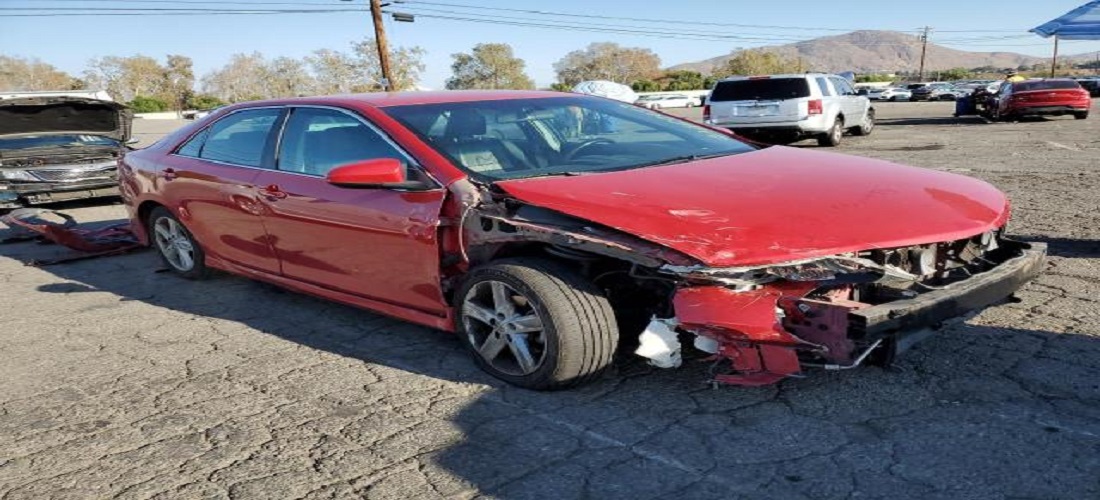
In today’s fast-paced world of automotive technology, it’s easy to get swept up in the allure of shiny new cars with all the latest bells and whistles. However, there’s something to be said for the reliability and character of an old car. Whether it’s a classic car or simply a trusty old sedan, maintaining and extending the lifespan of your old car removals is not only practical but can also be deeply rewarding. In this blog, we will discuss steps that will help extend the lifespan of your old car.
Here are some tips to help you keep your beloved ride running smoothly for years to come:
Just like with any other old car, regular maintenance is key to keeping your older vehicle in good condition. Schedule routine checks for oil changes, filter replacements, tyre rotations, and brake inspections. Following the manufacturer’s recommended maintenance schedule can prevent costly repairs down the road.
A clean car isn’t just aesthetically pleasing; it can also help prevent rust and corrosion, especially in older vehicles. Regularly wash and wax your old car to protect the paint and exterior surfaces. Don’t forget to clean the interior as well, removing dirt, debris, and spills that can lead to wear and tear over time.
As your car ages, you may encounter minor issues such as squeaky brakes, rattling noises, or electrical glitches. While these problems may seem minor at first, ignoring them can lead to more significant issues down the line. Address any problems promptly to prevent them from worsening and causing further damage.
When it comes to maintaining an sell my old cars for cash, quality matters. Invest in high-quality replacement parts and fluids that meet or exceed the manufacturer’s specifications. While cheaper alternatives may seem like a cost-effective solution, they can often lead to premature wear and tear and ultimately cost you more in the long run.
Old cars may be more prone to leaks and fluid loss over time. Regularly check the levels of essential fluids such as oil, coolant, brake fluid, and transmission fluid. Keeping these fluids topped up can prevent engine damage and ensure smooth vehicle operation.
How you drive can have a significant impact on the lifespan of your car, especially as it gets older. Avoid aggressive driving behaviors such as sudden stops, hard acceleration, and speeding, which can put unnecessary strain on your vehicle’s engine and components. Instead, drive smoothly and maintain a consistent speed to prolong the life of your car.
Exposure to harsh weather conditions such as extreme heat, cold, rain, and snow can take a toll on your car’s exterior and interior. Whenever possible, park your car in a garage or under a carport to protect it from the elements. If parking indoors isn’t an option, consider using a car cover to shield your vehicle from sun damage, bird droppings, and other environmental hazards.
Your car can often tell you when something isn’t quite right if you know what signs to listen for. Pay attention to any unusual sounds, smells, or vibrations coming from your vehicle, as these could be early warning signs of underlying issues. If something doesn’t sound or feel right, don’t ignore it—have it checked out by a qualified mechanic.
As your car ages, it’s essential to plan for its future maintenance and repair needs. Consider setting aside a budget for ongoing maintenance and unexpected repairs so you’re prepared when the time comes. Additionally, think about how long you plan to keep your old car and whether it might be time to start saving for a replacement down the line.
Maintaining and extending the lifespan of your old car requires dedication, but the rewards are well worth the effort. By following these tips and giving your vehicle the care and attention it deserves, you can keep your trusty old car on the road for many miles and years to come. So, embrace the character and reliability of your older vehicle, and enjoy the journey ahead!